The small-apartment furniture rule
In a small apartment, every piece of furniture should do at least two jobs. A bed that only sleeps is wasted space. A table that only seats four on Thanksgiving is wasted space eleven months a year. The furniture below earns its footprint — and most of it works in rentals without drilling a single hole.
How we pick: we research based on dimensions, materials, weight capacity, and long-term owner reviews — what holds up after two years of daily use, not just what looks good in photos. We don't claim hands-on testing we haven't done; we tell you what the research consistently shows.
The bed: your biggest opportunity
1. Storage beds with drawers
A bed with built-in drawers replaces an entire dresser — typically 6–8 cubic feet of storage reclaimed. Look for solid wood or metal frames (not particleboard) and drawers that glide smoothly when loaded. This is the highest-impact single purchase for a small bedroom.
2. Ottoman lift-up beds
The entire mattress platform lifts on gas struts, revealing a storage cavity the size of the bed. Ideal for bulky items: luggage, seasonal clothes, spare bedding. Check the strut weight rating and make sure you can lift it comfortably — test the mechanism type in reviews before committing.
3. Loft and high-sleeper beds
In studios or kids' rooms, raising the bed creates a whole second zone underneath: desk, reading nook, or dresser space. Adults should check ceiling height (you want 30+ inches above the mattress) and weight capacity. Not for restless sleepers or anyone who gets up at night often.
4. Daybeds and sleeper sofas
If the bedroom doubles as living space, a daybed works as a sofa by day and bed by night. For guests, a quality sleeper sofa beats an air mattress — look for a real mattress (not a bar-and-canvas mechanism) if guests stay more than a night or two.
Tables that adapt
5. Drop-leaf dining tables
Seats two daily, expands to six when friends come over. The leaves fold down against the wall the rest of the time. Measure your daily footprint and your expanded footprint before buying — the whole point is flexibility, so make sure both modes fit your space.
6. Nesting side tables
Two or three tables that tuck inside each other. Pull one out for guests, tuck it back after. They work as side tables, extra seating surfaces, and even plant stands. One of the best dollar-per-use purchases in small-space furniture.
7. Console-to-dining convertible tables
Narrow console tables that expand into full dining tables (seating 6–10) are the studio apartment hero. They're pricier, but they replace both a console and a dining table. Check expansion mechanisms in video reviews — smooth, one-person operation matters.
8. Wall-mounted drop-down tables
A tabletop hinged to the wall folds flat when not in use — perfect as a desk, dining spot, or craft table in truly tiny spaces. Most need wall mounting into studs, so check with your landlord if you rent.
Seating that stores
9. Storage ottomans
Footrest, extra seat, coffee table (with a tray on top), and hidden storage for throws, games, or toys. The ottoman is the Swiss Army knife of small apartments. Get one with a firm, flat top so it can genuinely serve as a table.
10. Stackable or folding chairs
Keep two everyday chairs and store the rest. Good folding chairs have improved enormously — look for solid wood or well-reviewed metal designs, not the wobbly banquet chairs of the past. Some attractive options hang flat on a wall hook.
11. Armless accent chairs
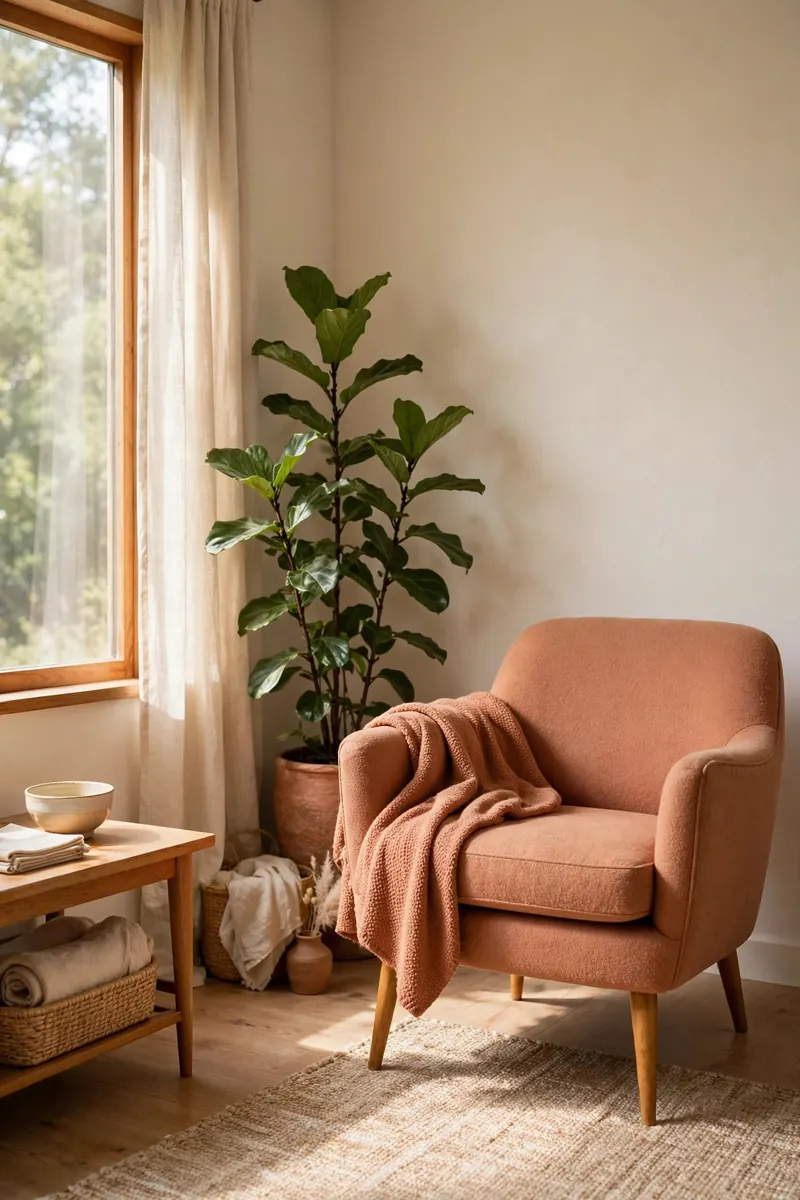
Arms add 6–8 inches of width per chair for no functional gain in a small room. Armless chairs and slipper chairs seat just as comfortably while visually opening the space. In tight layouts, those inches decide whether the room flows or feels crammed.
Vertical and hidden storage
12. Tall narrow bookcases
When floor space is scarce, go up. A tall, narrow bookcase (12–15 inches deep) holds a surprising amount without protruding into the room. Anchor it to the wall — tall furniture in small spaces must be secured, especially with kids or in earthquake zones.
13. Over-door and behind-door storage
Shoe organizers, hanging shelves, and hook racks on door backs add storage with zero footprint. Bedrooms, bathrooms, and pantry doors all qualify. It's the most underused square footage in most apartments.
14. Under-bed rolling drawers
If your bed isn't a storage bed, low-profile rolling bins underneath add the same benefit for a fraction of the cost. Measure your bed's clearance first — you need at least 6 inches for useful bins.
15. Room dividers with storage
Open shelving units used as room dividers separate zones in a studio while storing books, decor, and everyday items on both sides. They define "bedroom" and "living room" without walls — and without blocking light like a solid divider would.
What to avoid in small spaces
16. Oversized sectionals
Measure your room and tape the sectional's footprint on the floor before buying. Most sectionals overwhelm small living rooms and block traffic flow. A well-chosen sofa plus one accent chair usually seats the same people in less space.
17. Glass-topped everything
Glass tables look light, but they show every fingerprint and require constant cleaning — and they don't actually save space, just visual weight. In a busy small home, easy-clean surfaces win.
18. Single-purpose statement pieces
That sculptural chair nobody sits in, the decorative ladder, the oversized floor vase — in a small apartment, every square foot has rent to pay. If it doesn't serve you weekly, it doesn't stay.
Frequently asked questions
What furniture is essential for a small apartment?
A storage bed, a flexible table (drop-leaf or extendable), seating that stores (ottomans), and tall narrow storage. Those four categories solve 80% of small-space problems. Everything else is optional.
Is multifunctional furniture worth the higher price?
Usually yes, if it replaces two pieces. A $600 console-to-dining table replacing a $200 console plus a $400 dining table is a wash on price — and you gain the floor space. Do the math per piece before deciding.
How do I make a studio apartment feel like it has rooms?
Use furniture as dividers: an open bookshelf between bed and living area, a rug to define the "living room," and lighting zones (a floor lamp marks the reading corner). Vertical separation — different light levels and floor treatments — reads as separate rooms to the brain.
Keep going
Furniture is half the small-space equation — storage systems are the other half. Our small bathroom storage ideas show how the same multi-use thinking tames the tiniest room in the apartment.